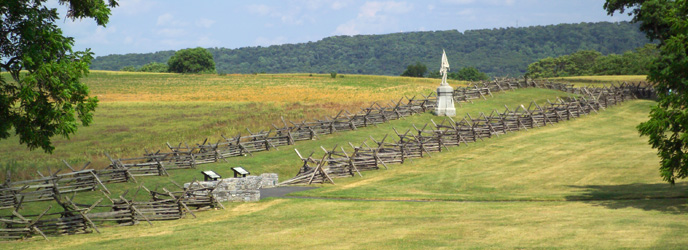
I have stood on many fields where men learned, too late, that courage does not soften arithmetic. Antietam was one of those fields.
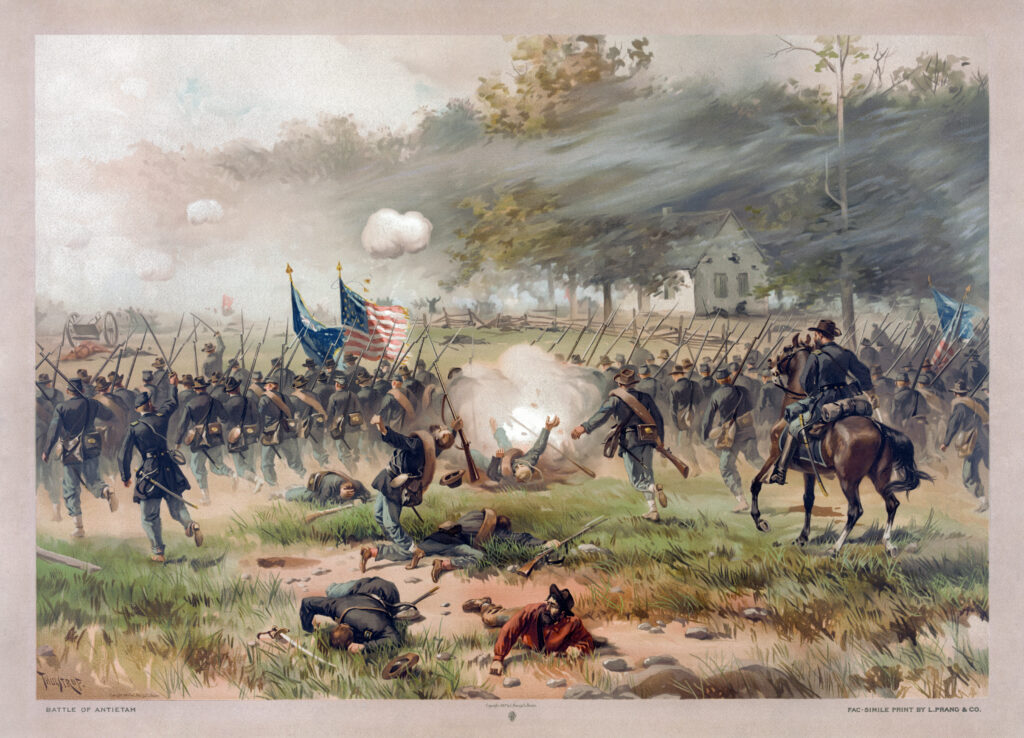
They call it a draw. Soldiers know better.
On 17 September 1862, near Sharpsburg, Maryland, the earth drank more blood in a single day than it ever had on American soil. What mattered was not who advanced or who withdrew by nightfall, but who was still standing when the ledger was closed. Lee crossed back into Virginia. That alone changed the war.
Antietam was not decisive because it shattered an army — it did not. It was decisive because it arrested momentum. Lee had been carrying the Confederacy’s war northward like a torch, daring the Union to watch its own cities flicker. McClellan, cautious to a fault, finally planted his feet and forced the issue. He did not destroy Lee, but he stopped him. In war, sometimes stopping the blade matters as much as breaking it.
I have always judged battles by what they unlock. Antietam unlocked the Emancipation Proclamation. Lincoln could not free the slaves on the back of a defeat — it would have read like desperation. Antietam gave him just enough ground to stand on. From that day forward, the war was no longer only about reunion. It became a war with a moral weight that no foreign court could ignore.
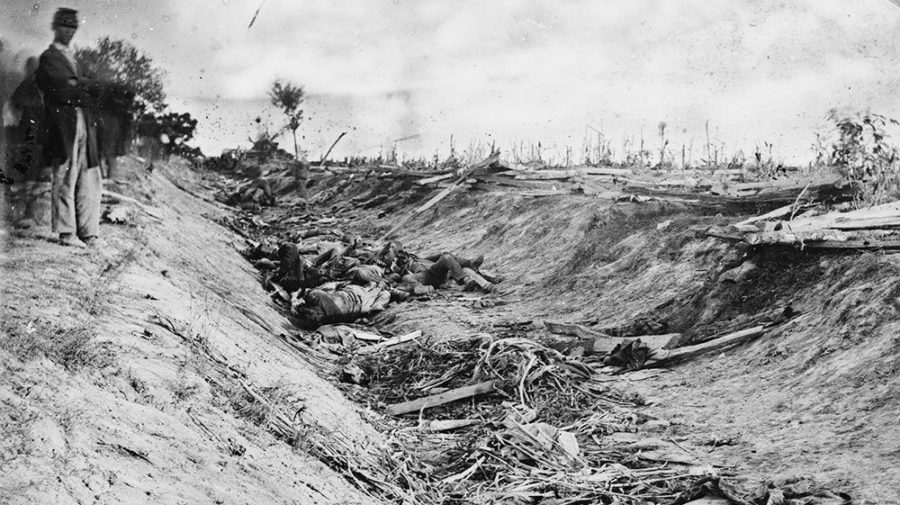
Cost and Lessons Unlearned
Tactically, Antietam was a warning written in bodies. Linear assaults into prepared positions. The Cornfield consumed regiments whole. The Sunken Road became a trench before men understood what trenches would soon mean. Burnside’s Bridge proved that geography can humiliate bravery. Every lesson paid for in blood would be relearned, again and again, until armies adapted or vanished.
What haunts me most is not the scale, but the restraint. McClellan had chances — chances historians still argue over like gamblers nursing old losses. Perhaps he could have ended the war there. Perhaps not. War does not reward hypotheticals. It rewards action taken under fear, fog, and imperfect sight.
Antietam reminds us that history often turns not on brilliance, but on adequacy — on doing just enough at the moment when “enough” reshapes everything that follows.
I have walked fields where victories sang. Antietam does not sing. It endures. And because it endured, so did the nation.
— Friedrich Bargideon
Son of immigrants, keeper of maps, and chronicler of mankind’s most dangerous addiction: war.