
By Friedrich Bargideon
History does not hinge on years or decades.
It turns on hours.
I have walked enough battlefields — from the cold steppes to the dust of forgotten empires — to know this simple truth: a single clash between armies can redirect the fate of continents, empires, and civilizations. Some battles crush ancient orders; others ignite new ones. And the soldier, standing in the smoke of the moment, rarely knows he is living inside the hinge of history.
Below are several battles that reshaped the world — not only through military outcomes, but through the long shadows they cast across nations and generations.
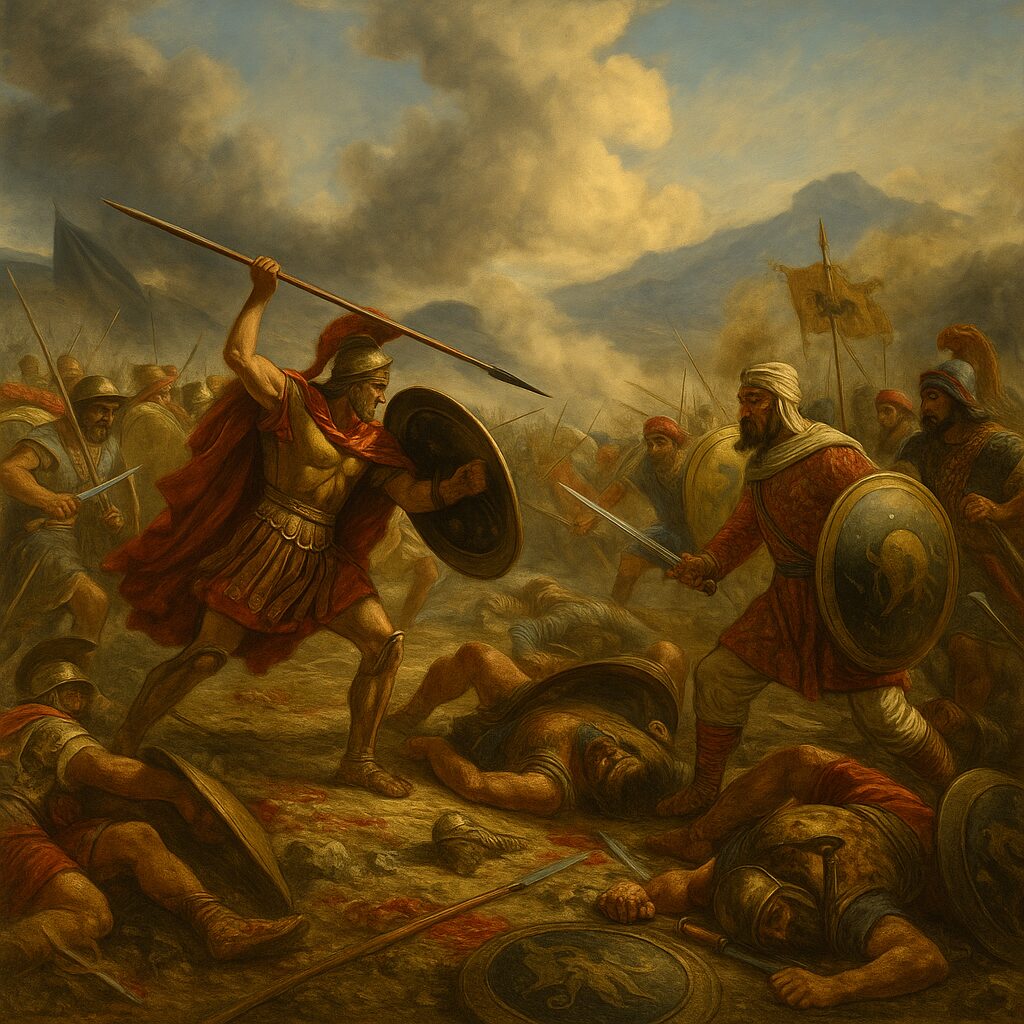
1. The Battle of Marathon (490 BC)
When the Persian Empire sought to absorb Greece, they struck at Marathon. Outnumbered ten to one, the Athenian hoplites counterattacked with disciplined fury. Their victory preserved the fragile idea of Greek independence — and with it, the philosophical tradition that later shaped the Western world.
Why it mattered:
- Stopped Persia’s westward expansion
- Preserved the development of Greek democracy
- Inspired future defensive stands against overwhelming odds
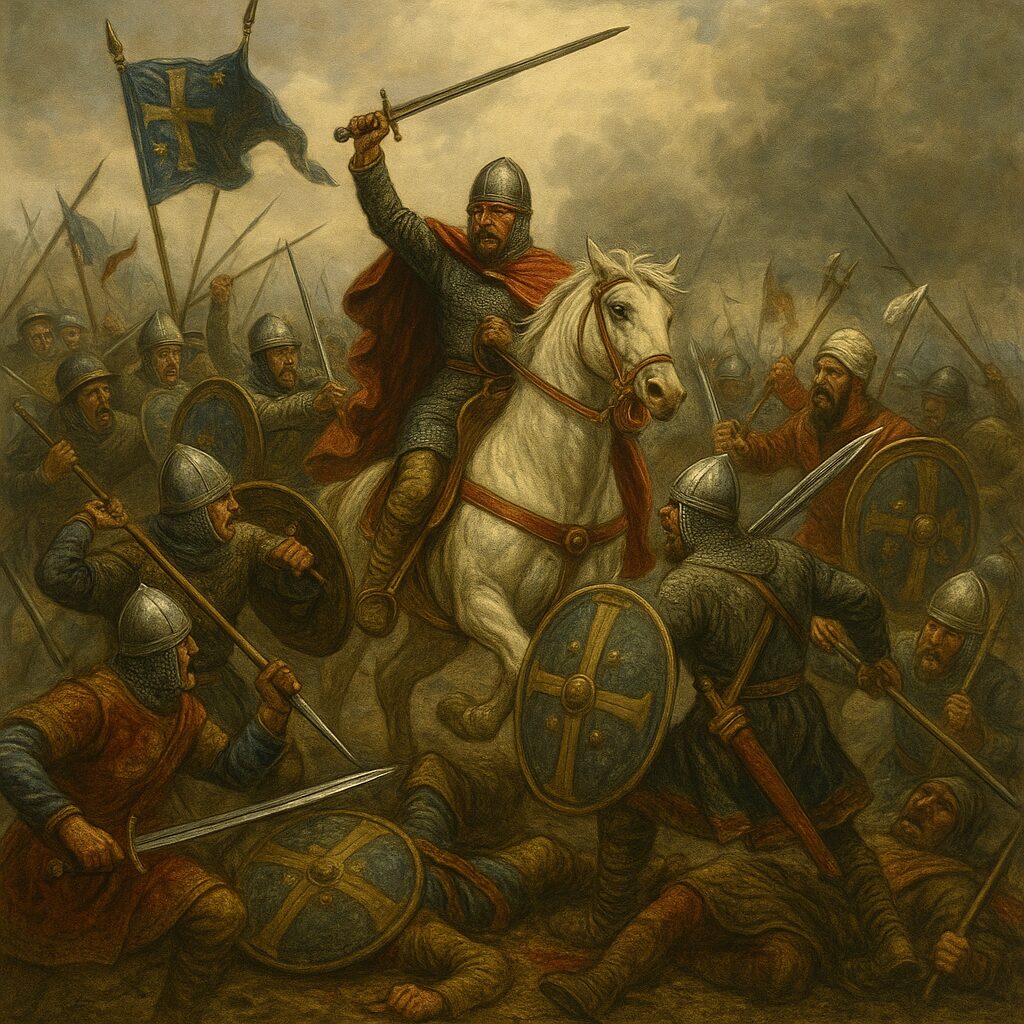
2. The Battle of Hastings (1066)
An arrow in the eye, a king cut down, and a new dynasty rising from the shallows of the Channel. William the Conqueror’s victory over Harold Godwinson reshaped England’s political, military, and linguistic DNA.
Why it mattered:
- Ended Anglo-Saxon rule
- Introduced Norman feudal structures
- Permanently altered the English language and culture
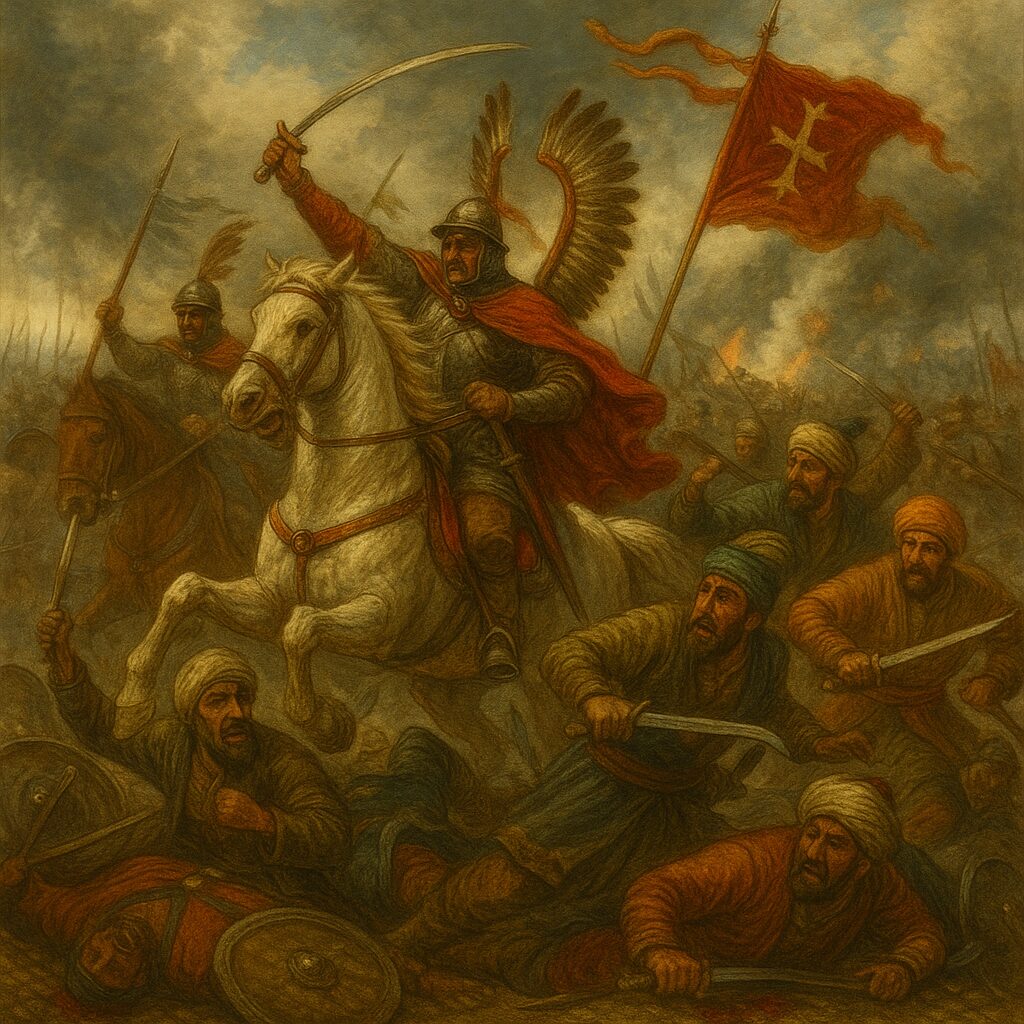
3. The Battle of Vienna (1683)
At the gates of Europe, the Ottoman Empire made a final push for dominance. Yet the Polish Winged Hussars, charging downhill under Jan Sobieski, shattered the siege and forced a retreat that ended Ottoman expansion into Central Europe.
Why it mattered:
- Marked the end of Ottoman territorial ascendency
- Preserved Central Europe from imperial absorption
- Enabled the rise of the Habsburg influence
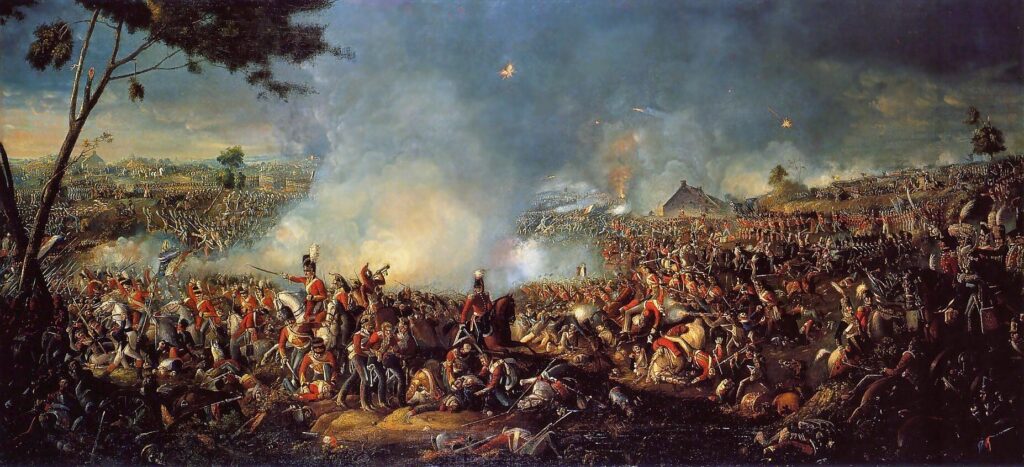
4. Waterloo (1815)
Empires often fall in a single afternoon. Napoleon’s final gamble ended in mud, cannon smoke, and the steady discipline of British squares that refused to break.
Why it mattered:
- Ended the Napoleonic Wars
- Redrew European borders for a century
- Ushered in relative continental stability until World War I
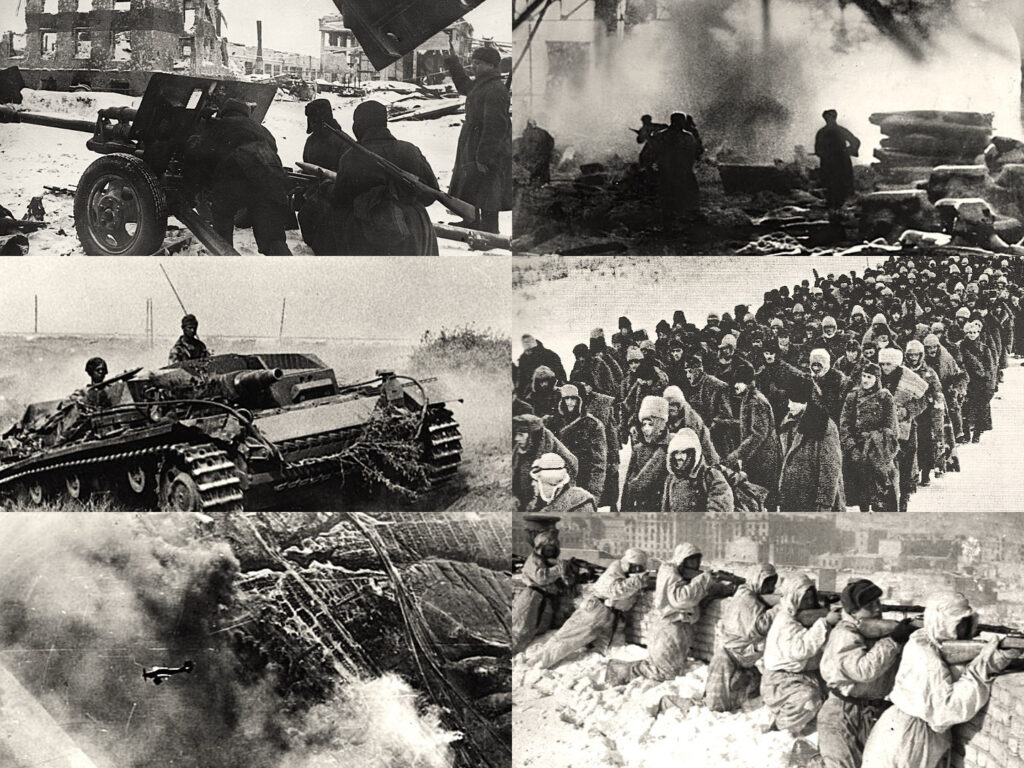
5. The Battle of Stalingrad (1942–1943)
A frozen city became the anvil upon which Hitler’s fortunes shattered. House-to-house fighting, starvation, encirclement — Stalingrad marked the turning point where the German war machine began to retreat for the rest of the war.
Why it mattered:
- First major strategic defeat of Nazi Germany
- Shifted the Eastern Front permanently against the Axis
- Broke the myth of German invincibility
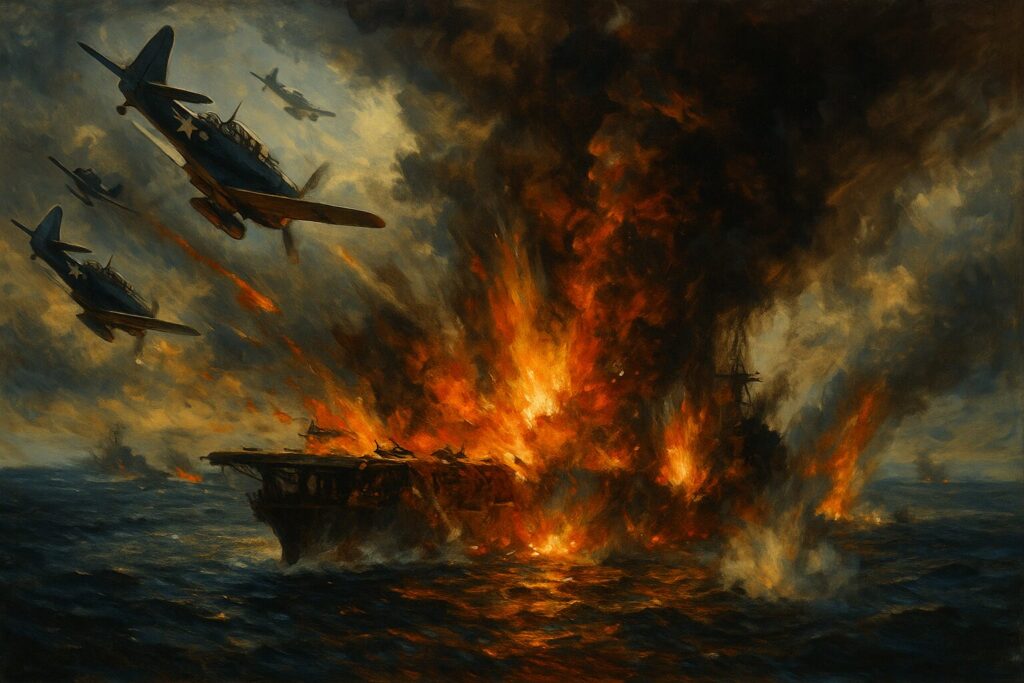
6. The Battle of Midway (1942)
Four Japanese carriers lost in the span of minutes — a reversal so complete that even I, standing as an unseen witness across ages, could hardly believe it. The Pacific balance of power changed in a single morning.
Why it mattered:
- Stopped Japanese expansion
- Enabled U.S. offensive island-hopping
- Became the strategic fulcrum of the Pacific War
In Every Age, the Tide Turns Quickly
The soldier rarely knows he is standing in one of history’s turning points.
But the historian — and the survivor — can trace the fault lines clearly.
These battles are reminders that power is fragile, empires are temporary, and the world can change in a single determined charge or a single foolish decision.
The wars change. The witness does not.
— Friedrich Bargideon
War Walker, chronicler of mankind’s oldest addiction